Why Sustainable Living Is Good for Your Wallet
 Sophia David
Many people assume that living sustainably is expensive or requires major lifestyle changes. However, the reality is often the opposite. Sustainable living encourages mindful consumption, efficient use of resources, and long-term thinking—all of which can lead to significant financial savings.
Learning why sustainable living is good for your wallet can help individuals understand that protecting the environment and saving money often go hand in hand. By reducing waste, conserving energy, and making smarter purchasing decisions, households can lower their expenses while contributing to a healthier planet.
At LessBrandly, we believe that sustainable living should be practical and beneficial for everyone. When people adopt eco-friendly habits, they often discover that these choices not only protect the environment but also improve financial stability.
In this guide, we will explore how sustainable living can help you save money and build a more secure financial future.
Understanding the Connection Between Sustainability and Savings
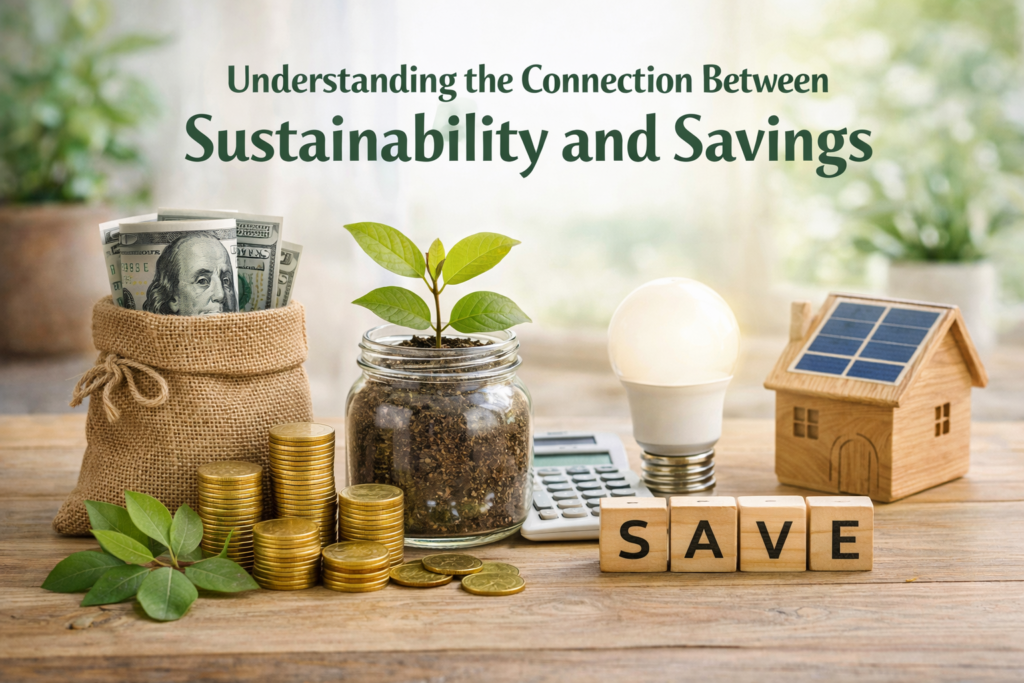
Sustainable living focuses on using resources wisely and avoiding unnecessary consumption. Many everyday habits that support sustainability also reduce household expenses.
For example, using less electricity, reducing water consumption, and buying fewer disposable products can significantly lower monthly bills.
The key principles that connect sustainability with financial savings include:
- Reducing unnecessary purchases
- Conserving energy and water
- Choosing durable and long-lasting products
- Avoiding wasteful consumption
- Prioritizing efficiency and quality
When individuals adopt these habits, they naturally spend less money while living more responsibly
Lower Energy Bills Through Efficient Habits
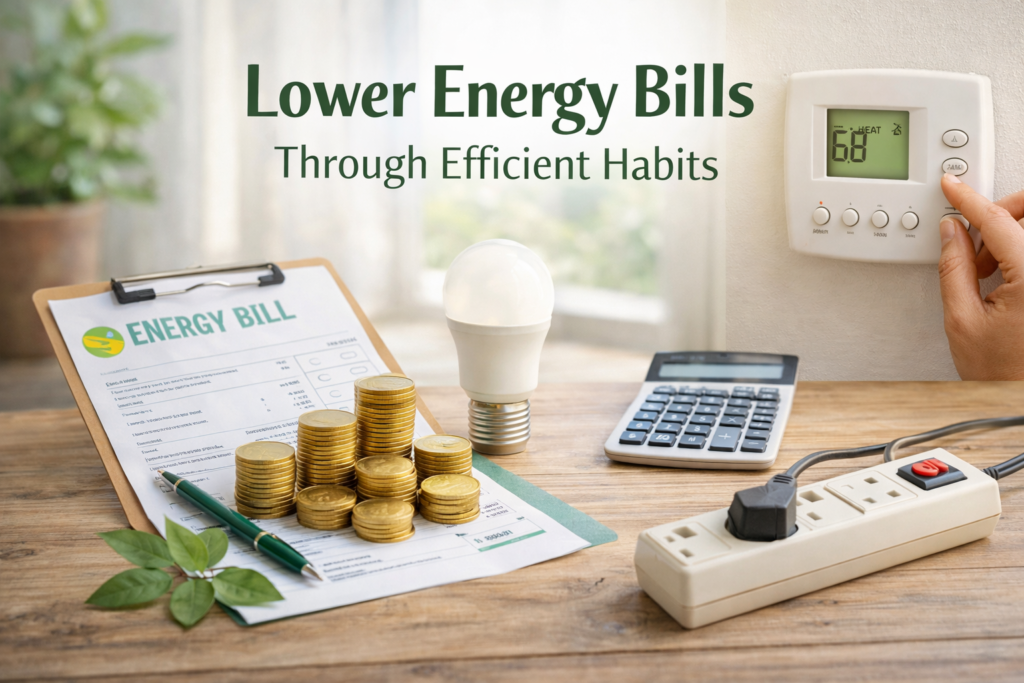
Energy use is one of the largest household expenses. Sustainable living encourages energy-efficient habits that can reduce electricity and heating costs.
Simple actions that save energy include:
- Turning off lights when leaving a room
- Using energy-efficient LED bulbs
- Unplugging electronics when not in use
- Using natural lighting during the day
- Adjusting thermostats to reduce heating and cooling costs
Energy-efficient appliances may also consume significantly less electricity compared to older models.
Over time, these small changes can lead to noticeable reductions in utility bills
Reduce Water Costs
Water conservation is another key component of sustainable living that can help save money.
Households often waste water through long showers, leaking faucets, and inefficient appliances. Reducing water use can lower both water and energy bills.
Practical ways to save water include:
- Fixing leaking taps and pipes
- Taking shorter showers
- Turning off the tap while brushing teeth
- Using water-efficient washing machines and dishwashers
- Collecting rainwater for gardening
Even modest water-saving habits can significantly reduce household expenses over time
Spend Less by Buying Fewer Disposable Products
Disposable products such as paper towels, plastic bottles, and single-use cleaning wipes are often used once and then discarded. While these items may seem inexpensive, the cost adds up over time.
Sustainable living encourages the use of reusable alternatives such as:
- Reusable shopping bags
- Refillable water bottles
- Washable cleaning cloths
- Reusable food containers
- Cloth napkins
By switching to reusable items, households can reduce recurring purchases and save money in the long run.
Invest in Durable, High-Quality Products
Cheap products often wear out quickly and need to be replaced frequently. This cycle of constant replacement increases both waste and spending.
Sustainable living encourages people to invest in high-quality products that last longer. While these items may cost more initially, they often save money over time.
Examples include:
- Durable clothing made from strong materials
- Long-lasting kitchen appliances
- Well-built furniture
- High-quality footwear
Purchasing fewer but better-quality items reduces replacement costs and supports sustainable consumption.
Reduce Food Waste and Save on Groceries
Food waste is a major financial and environmental problem. Many households throw away unused food each week, which results in wasted money.
Sustainable living encourages mindful food consumption and better meal planning.
Ways to reduce food waste include:
- Planning meals before grocery shopping
- Buying only what you need
- Properly storing perishable foods
- Using leftovers creatively
- Freezing extra food for later use
Reducing food waste can significantly lower grocery bills while supporting sustainable habits.
Save Money with Sustainable Transportation
Transportation costs can take a large portion of household budgets. Sustainable living promotes transportation methods that reduce fuel expenses and environmental impact.
Options include:
- Walking or cycling for short distances
- Using public transportation
- Carpooling with coworkers or friends
- Choosing fuel-efficient vehicles
Reducing car usage not only lowers fuel costs but also reduces vehicle maintenance expenses.
Reduce Clothing Expenses with Sustainable Fashion
Fast fashion encourages frequent clothing purchases, which can quickly become expensive. Sustainable fashion focuses on buying fewer clothes and choosing timeless, high-quality pieces.
You can reduce clothing expenses by:
- Purchasing durable clothing that lasts longer
- Repairing garments instead of replacing them
- Buying second-hand clothing
- Donating or swapping unused items
These habits help extend the lifespan of clothing while reducing unnecessary spending.
Save Through DIY and Self-Sufficiency
Sustainable living often encourages do-it-yourself (DIY) practices that reduce reliance on commercial products and services.
Examples of money-saving DIY activities include:
- Making natural cleaning products at home
- Growing herbs or vegetables in a garden
- Repairing household items instead of replacing them
- Repurposing old materials for new uses
DIY practices can significantly reduce household costs while promoting creativity and sustainability.
Declutter and Avoid Unnecessary Purchases
Cluttered homes often lead to unnecessary spending because people forget what they already own and purchase duplicate items.
Sustainable living encourages decluttering and organizing belongings so that everything is used effectively.
Benefits of decluttering include:
- Preventing duplicate purchases
- Selling unused items for extra income
- Creating a more organized living space
- Reducing the temptation to buy unnecessary items
A clutter-free environment often leads to more mindful spending habits.
Improve Long-Term Financial Stability
Sustainable living promotes habits that encourage long-term financial planning rather than short-term consumption.
By reducing unnecessary spending and focusing on essential needs, individuals can:
- Save more money
- Reduce financial stress
- Build emergency savings
- Invest in meaningful goals
These habits support both environmental responsibility and financial well-being.
Health Benefits That Reduce Medical Costs
Sustainable living often promotes healthier habits, such as eating fresh foods, spending time outdoors, and reducing exposure to harmful chemicals.
These lifestyle choices may help improve overall health, which can potentially reduce healthcare expenses over time.
Healthier living can include:
- Cooking meals at home
- Eating more whole and plant-based foods
- Using natural household products
- Staying physically active
Better health contributes to both personal well-being and financial savings.
Long-Term Environmental and Financial Benefits
Sustainable living offers benefits that extend beyond immediate financial savings.
Long-term advantages include:
- Lower household expenses
- Reduced dependence on disposable products
- Less environmental pollution
- More responsible resource management
- A healthier future for coming generations
By adopting sustainable habits today, individuals can create lasting financial and environmental benefits.
Final Thoughts
Understanding why sustainable living is good for your wallet reveals that eco-friendly habits are not only beneficial for the environment but also for personal finances. By conserving energy, reducing waste, choosing durable products, and practicing mindful consumption, households can significantly lower their expenses.
At LessBrandly, we believe that sustainable living should empower people to make smarter choices that benefit both the planet and their financial future.
Small changes in everyday habits can lead to meaningful savings over time. When individuals choose sustainability, they often discover that living responsibly is not only good for the environment—it is also one of the smartest financial decisions they can make.