How to Buy Less and Live More Sustainably
 Sophia David
In today’s fast-paced consumer culture, it is easy to fall into the habit of buying more than we actually need. From clothing and gadgets to household items and decorative products, constant advertising and social media trends often encourage excessive consumption. However, buying more does not always lead to a happier or more fulfilling life.
Learning how to buy less and live more sustainably is a powerful step toward protecting the environment while improving personal well-being. Sustainable living focuses on reducing unnecessary consumption, minimizing waste, and making mindful purchasing decisions.
At LessBrandly, we believe that a simpler lifestyle can bring both environmental and personal benefits. By buying less and focusing on what truly matters, individuals can reduce their ecological footprint while creating a more meaningful and balanced life.
In this guide, we will explore practical strategies to help you reduce consumption and live more sustainably.
Understanding Sustainable Consumption
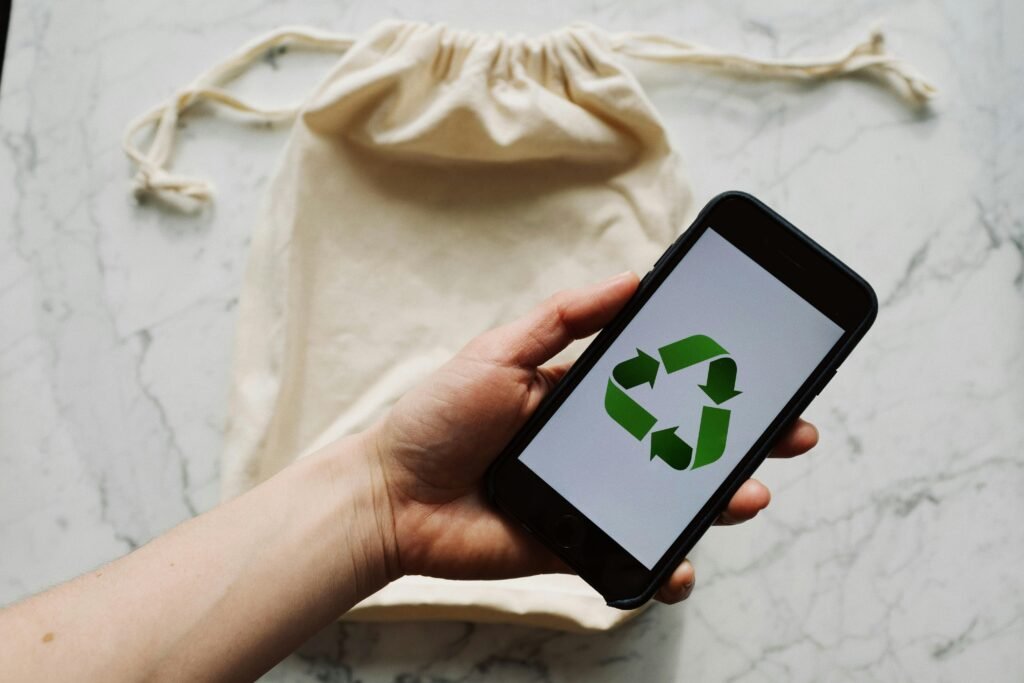
Sustainable consumption means using resources responsibly and avoiding unnecessary purchases that contribute to environmental harm. Every product we buy requires raw materials, energy, transportation, and packaging. These processes can contribute to pollution, waste generation, and resource depletion.
Buying less does not mean sacrificing comfort or quality of life. Instead, it encourages thoughtful decision-making about what we truly need and value.
The key principles of sustainable consumption include:
- Prioritizing quality over quantity
- Reducing unnecessary purchases
- Supporting environmentally responsible products
- Extending the lifespan of items
- Minimizing waste
When people adopt these principles, they contribute to a healthier planet and a more sustainable economy.
Recognize the Impact of Overconsumption
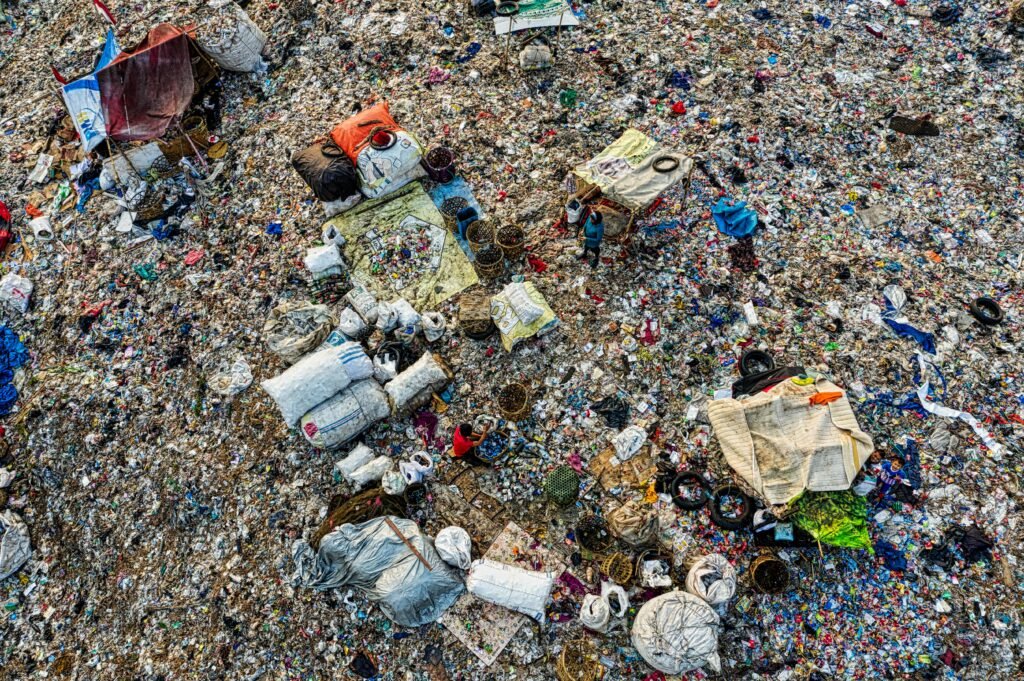
Many people underestimate how their purchasing habits affect the environment. Overconsumption increases demand for natural resources, leading to deforestation, pollution, and climate change.
Some common environmental impacts of excessive consumption include:
- Increased plastic waste
- Higher carbon emissions from manufacturing and shipping
- Overuse of natural resources
- Growing landfill waste
Understanding these impacts can motivate individuals to make more responsible purchasing decisions.
Reducing consumption helps conserve resources and protects ecosystems.
Practice Mindful Shopping
One of the most effective ways to buy less is by practicing mindful shopping. Instead of making impulse purchases, take time to evaluate whether a product is truly necessary.
Before buying something, ask yourself the following questions:
- Do I really need this item?
- Will I use it regularly?
- Do I already own something similar?
- Is there a more sustainable alternative?
Taking a moment to reflect before making a purchase can prevent unnecessary spending and reduce waste.
Mindful shopping encourages intentional choices rather than automatic consumption.
Choose Quality Over Quantity
Many inexpensive products are designed to be replaced frequently. This cycle of buying and discarding items contributes significantly to environmental waste.
Investing in durable, high-quality products may cost more initially but often saves money in the long run. Long-lasting products reduce the need for frequent replacements and minimize waste.
Examples include:
- Durable clothing made from quality materials
- Long-lasting kitchen appliances
- Well-crafted furniture
- Reusable household products
Choosing quality items helps promote sustainability while reducing clutter.
Adopt a Minimalist Mindset
Minimalism is closely connected to sustainable living. A minimalist lifestyle focuses on owning fewer possessions and prioritizing experiences and meaningful activities.
Benefits of minimalism include:
- Reduced stress and clutter
- Lower spending on unnecessary items
- More appreciation for what you already own
- Less environmental impact
Living with fewer possessions encourages intentional choices and prevents excessive consumption.
Extend the Life of Your Belongings
One of the most sustainable habits you can adopt is taking care of the items you already own.
Instead of discarding items when they become damaged or outdated, consider repairing, repurposing, or maintaining them properly.
Ways to extend the lifespan of products include:
- Repairing clothing and household items
- Maintaining electronics and appliances
- Repurposing old furniture
- Upcycling unused materials into new items
Extending product life reduces waste and saves money
Buy Second-Hand Items
Second-hand shopping is an excellent way to reduce environmental impact. Buying used products gives items a second life and reduces demand for new manufacturing.
Common places to find second-hand items include:
- Thrift stores
- Online marketplaces
- Garage sales
- Community exchange groups
Second-hand shopping can often lead to unique finds while supporting sustainable consumption.
Reduce Impulse Purchases
Impulse buying is a major contributor to unnecessary consumption. Advertising and limited-time promotions often create a sense of urgency that encourages quick purchases.
To reduce impulse buying:
- Create a shopping list before visiting stores
- Wait at least 24 hours before buying non-essential items
- Avoid browsing online stores without a specific purpose
- Set a monthly spending limit for discretionary purchases
These habits help prevent unnecessary purchases and encourage thoughtful decision-making
Support Sustainable Brands
When purchasing new products is necessary, choose companies that prioritize sustainability.
Look for brands that:
- Use environmentally friendly materials
- Follow ethical production practices
- Minimize packaging waste
- Support fair labor conditions
Supporting responsible businesses encourages industries to adopt more sustainable practices.
Reduce Packaging Waste
Packaging waste is one of the most visible forms of environmental pollution. Many products are wrapped in excessive plastic, cardboard, or other disposable materials.
You can reduce packaging waste by:
- Buying products in bulk
- Choosing items with minimal packaging
- Bringing reusable bags and containers when shopping
- Supporting zero-waste stores
Small actions like these significantly reduce household waste.
Focus on Experiences Instead of Possessions
One of the most powerful ways to buy less is by shifting your focus from material goods to meaningful experiences.
Instead of spending money on physical items, consider investing in experiences such as:
- Traveling
- Learning new skills
- Spending time with loved ones
- Participating in outdoor activities
- Exploring creative hobbies
Experiences often provide longer-lasting happiness compared to material possessions
Encourage Sustainable Habits in Your Community
Sustainable living becomes more impactful when shared with others. Encourage friends, family members, and communities to adopt responsible consumption habits.
You can promote sustainability by:
- Sharing knowledge about mindful consumption
- Organizing clothing swaps or donation drives
- Supporting local sustainable initiatives
- Promoting environmental awareness
Community efforts can create larger positive environmental change.
Benefits of Buying Less and Living Sustainably
Adopting a lifestyle focused on buying less offers many benefits beyond environmental protection.
Some of these advantages include:
Financial Savings
Reducing unnecessary purchases allows individuals to save money and focus on essential needs.
Less Clutter
Owning fewer items creates a more organized and peaceful living environment.
Reduced Environmental Impact
Lower consumption reduces waste, pollution, and resource depletion.
Greater Life Satisfaction
Focusing on experiences, relationships, and meaningful activities often leads to deeper personal fulfillment.
These benefits demonstrate that sustainable living can enhance both personal well-being and environmental health.
Final Thoughts
Learning how to buy less and live more sustainably is an important step toward creating a healthier planet and a more balanced lifestyle. By practicing mindful shopping, choosing quality products, reducing impulse purchases, and focusing on experiences rather than possessions, individuals can significantly reduce their environmental footprint.
At LessBrandly, we believe that sustainability begins with everyday choices. Each thoughtful decision to consume less contributes to a more responsible and environmentally friendly world.
Start with small changes in your purchasing habits today. Over time, these choices will help you live a simpler, more sustainable life while protecting the planet for future generations.