Simple Steps to Build an Eco-Friendly Lifestyle
 Sophia David
In recent years, more people have become aware of how their daily choices affect the environment. From plastic waste to energy consumption, the modern lifestyle can place significant pressure on the planet. The good news is that adopting an eco-friendly lifestyle doesn’t require drastic changes. Small, consistent actions can make a meaningful difference over time.
At LessBrandly, we believe that sustainable living should be practical and achievable for everyone. By making conscious decisions in everyday life, you can reduce your environmental footprint while improving your health, saving money, and contributing to a greener future.
This guide will walk you through simple steps to build an eco-friendly lifestyle that fits naturally into your daily routine.
Understanding an Eco-Friendly Lifestyle
An eco-friendly lifestyle focuses on reducing harm to the environment while promoting sustainable use of natural resources. It involves making mindful choices about what we buy, how we use energy, how we manage waste, and how we interact with nature.
Living sustainably does not mean sacrificing comfort or convenience. Instead, it encourages thoughtful consumption and responsible habits that support both the planet and future generations.
Key principles of eco-friendly living include:
- Reducing waste and pollution
- Conserving energy and water
- Supporting sustainable products and businesses
- Protecting natural ecosystems
- Making environmentally responsible choices
Even small lifestyle adjustments can lead to significant positive impacts when practiced consistently.
Start with Reducing Waste

One of the easiest ways to begin an eco-friendly lifestyle is by reducing waste. Household waste, especially plastic, contributes heavily to environmental pollution.
You can start by following the three R’s of sustainability:
Reduce:
Buy only what you need and avoid products with excessive packaging.
Reuse:
Use reusable bags, containers, bottles, and shopping totes instead of disposable ones.
Recycle:
Separate recyclable materials such as paper, glass, metal, and plastic according to local recycling guidelines.
Reducing waste not only protects the environment but also helps you become more mindful of your consumption habits.
Choose Sustainable Products
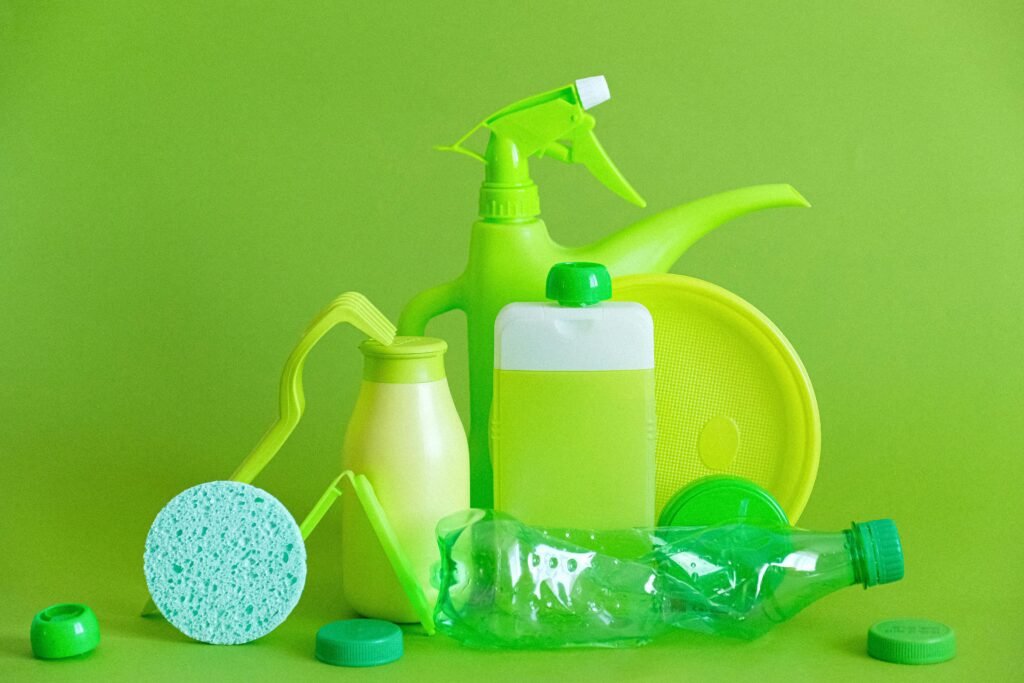
Every purchase you make has an environmental impact. Choosing eco-friendly products is an important step toward building a sustainable lifestyle.
Look for products that are:
- Made from recycled or biodegradable materials
- Produced using ethical and sustainable practices
- Durable and long-lasting
- Packaged with minimal plastic
For example, switching to reusable shopping bags, bamboo toothbrushes, and refillable water bottles can significantly reduce daily waste.
Supporting environmentally responsible brands also encourages businesses to adopt sustainable production practices.
Save Energy at Home
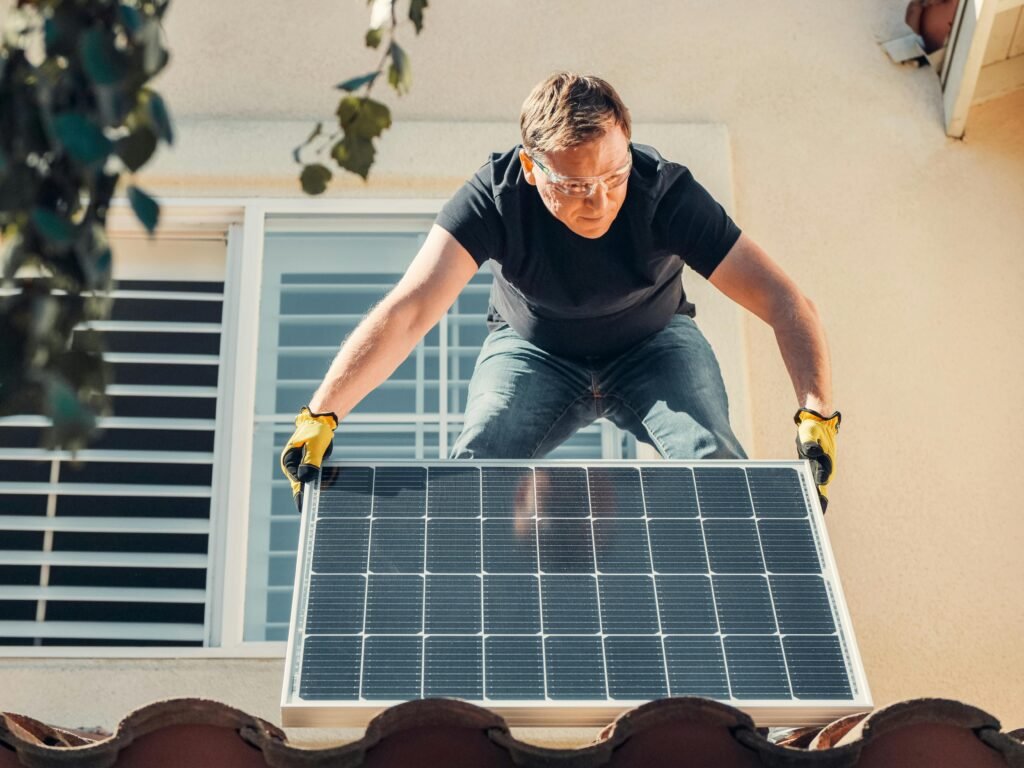
Energy consumption is one of the largest contributors to carbon emissions. Fortunately, there are many simple ways to reduce energy use at home.
Some practical habits include:
- Turning off lights when leaving a room
- Using energy-efficient LED bulbs
- Unplugging electronics when not in use
- Using natural light whenever possible
- Adjusting thermostats to reduce heating and cooling energy
Energy-efficient appliances can also help lower electricity consumption while reducing monthly utility bills.
Even small changes in energy habits can have a lasting environmental impact.
Conserve Water
Water is one of the planet’s most valuable resources, yet it is often wasted through daily activities.
You can conserve water by adopting simple habits such as:
- Fixing leaking faucets and pipes
- Taking shorter showers
- Turning off the tap while brushing teeth
- Using water-efficient appliances
- Collecting rainwater for gardening
Reducing water usage not only protects natural water supplies but also lowers household expenses.
Reduce Single-Use Plastics
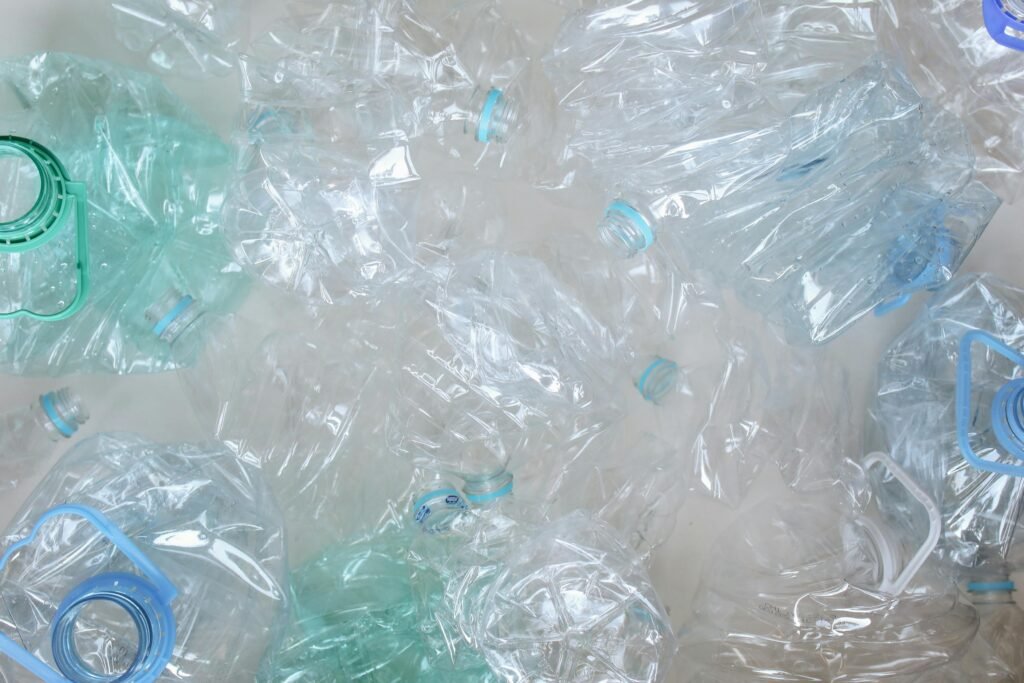
Single-use plastics are one of the biggest environmental challenges worldwide. Items like plastic bags, straws, bottles, and packaging often end up in landfills or oceans.
To reduce plastic use, consider these alternatives:
- Carry reusable shopping bags
- Use a stainless steel or glass water bottle
- Replace plastic straws with metal or bamboo versions
- Store food in reusable containers instead of plastic wraps
These simple substitutions can significantly reduce plastic waste over time.
Adopt Sustainable Transportation

Transportation is another major source of environmental pollution. Choosing eco-friendly travel options can help lower carbon emissions.
Whenever possible, consider:
- Walking or cycling for short distances
- Using public transportation
- Carpooling with coworkers or friends
- Choosing fuel-efficient or electric vehicles
Reducing car usage not only benefits the environment but also improves physical health and reduces transportation costs.
Eat More Sustainable Foods

Food choices also play a role in environmental sustainability. The production and transportation of food can generate significant emissions and waste.
You can adopt more eco-friendly eating habits by:
- Eating more plant-based meals
- Buying locally grown produce
- Supporting organic and sustainable farming
- Reducing food waste by planning meals carefully
Composting food scraps is another effective way to reduce waste while enriching soil for gardening.
Support Eco-Friendly Businesses

Your spending habits can influence the market and encourage sustainability.
Whenever possible, choose businesses that:
- Use environmentally friendly materials
- Follow ethical labor practices
- Reduce packaging waste
- Support environmental conservation efforts
Supporting these businesses helps promote responsible production and sustainable innovation.Your spending habits can influence the market and encourage sustainability.
Whenever possible, choose businesses that:
- Use environmentally friendly materials
- Follow ethical labor practices
- Reduce packaging waste
- Support environmental conservation efforts
Supporting these businesses helps promote responsible production and sustainable innovation.
Create a Green Home Environment
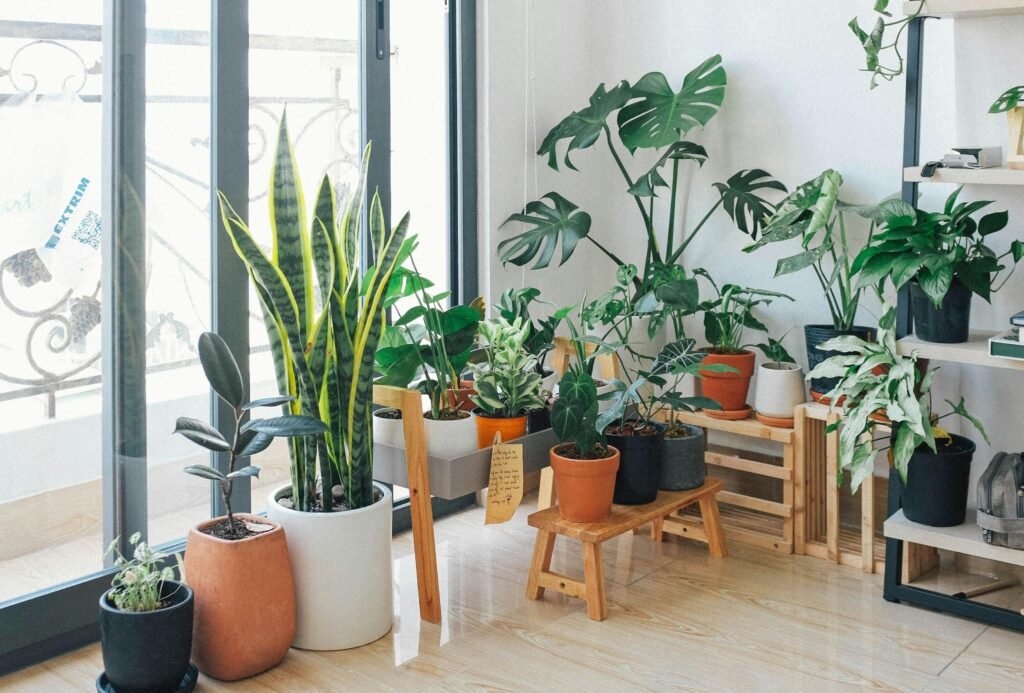
An eco-friendly home environment can significantly reduce your environmental impact.
Some ideas include:
- Growing indoor plants to improve air quality
- Using natural cleaning products instead of harsh chemicals
- Choosing eco-friendly furniture and décor
- Improving home insulation to save energy
These changes not only benefit the environment but also create a healthier living space for you and your family.
Practice Mindful Consumption

One of the most important aspects of sustainable living is mindful consumption.
Before purchasing something new, ask yourself:
- Do I really need this item?
- Can I repair or reuse something I already own?
- Is there a more sustainable option available?
This mindset encourages thoughtful decisions and prevents unnecessary waste.
Over time, mindful consumption helps reduce environmental impact while promoting financial savings
Encourage Others to Live Sustainably

Building an eco-friendly lifestyle can inspire others around you to adopt similar habits. Sharing knowledge and leading by example can create a ripple effect in communities.
You can encourage sustainable living by:
- Sharing eco-friendly tips with friends and family
- Participating in community environmental initiatives
- Supporting local sustainability programs
- Educating others about environmental responsibility
Collective action can lead to meaningful environmental change.
Long-Term Benefits of an Eco-Friendly Lifestyle
Adopting sustainable habits provides benefits that go beyond environmental protection.
Some long-term advantages include:
- Improved physical and mental health
- Reduced household expenses
- Cleaner communities and ecosystems
- Greater awareness of environmental responsibility
- A healthier planet for future generations
Sustainable living is not just about protecting nature—it’s also about creating a balanced and responsible way of life.
Final Thoughts
Building an eco-friendly lifestyle does not require perfection. It begins with small, consistent steps that gradually become everyday habits.
By reducing waste, conserving resources, choosing sustainable products, and making mindful decisions, you can contribute to a healthier environment and a more sustainable future.
At LessBrandly, we believe that positive change starts with awareness and action. Every small effort—no matter how simple—plays a role in protecting our planet.
Start today with one eco-friendly habit, and over time those choices will grow into a lifestyle that benefits both you and the world around you.