Eco-Friendly Cleaning Habits for a Healthy Home
 Sophia David
Keeping your home clean is essential for comfort and health, but many conventional cleaning products contain chemicals that can harm both your family and the environment. Harsh chemicals, artificial fragrances, and toxic ingredients often contribute to indoor air pollution and water contamination. Fortunately, adopting eco-friendly cleaning habits for a healthy home can make a significant difference.
Eco-friendly cleaning focuses on using natural products, reducing waste, and maintaining a safe indoor environment. These habits not only protect the planet but also improve the air quality and overall wellness of your living space.
At LessBrandly, we believe that maintaining a clean home should never come at the cost of environmental health. In this guide, you will learn practical and sustainable cleaning habits that help create a healthier home while reducing environmental impact.
Understanding Eco-Friendly Cleaning
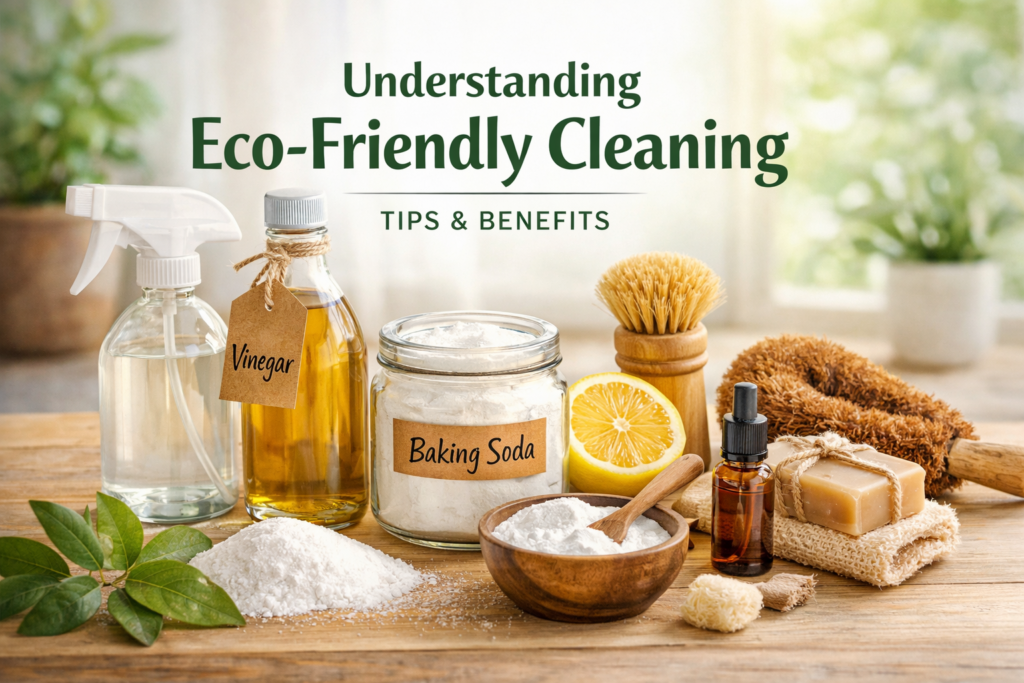
Eco-friendly cleaning involves using natural or non-toxic cleaning methods that minimize harm to the environment and human health. Traditional cleaning products often contain chemicals such as ammonia, chlorine, and synthetic fragrances that may cause respiratory problems, allergies, or skin irritation.
Sustainable cleaning practices focus on:
- Using natural and biodegradable ingredients
- Reducing plastic waste from cleaning products
- Limiting exposure to harmful chemicals
- Improving indoor air quality
- Protecting water systems from toxic substances
By switching to environmentally friendly cleaning habits, households can reduce pollution while maintaining a hygienic living space.
Choose Natural Cleaning Ingredients

One of the easiest ways to practice eco-friendly cleaning is by replacing chemical cleaners with natural ingredients. Many natural substances are powerful cleaning agents and are safe for both people and the environment.
Some common natural cleaning ingredients include:
White Vinegar
Vinegar is excellent for removing stains, disinfecting surfaces, and eliminating odors.
Baking Soda
Baking soda is a natural deodorizer and gentle scrub that can clean sinks, ovens, and countertops.
Lemon Juice
Lemon juice works as a natural disinfectant and helps remove grease and stains.
Castile Soap
This plant-based soap is biodegradable and effective for general household cleaning.
These natural ingredients are affordable, easy to find, and versatile for many cleaning tasks
Avoid Harmful Chemical Cleaners
Many commercial cleaning products contain ingredients that may negatively impact indoor air quality and environmental health. Chemicals such as bleach, ammonia, and synthetic fragrances can release harmful fumes into the air.
To create a healthier home environment, consider:
- Reading product labels carefully
- Avoiding products with harsh chemical ingredients
- Choosing eco-certified cleaning products
- Switching to plant-based cleaning formulas
Reducing chemical exposure helps protect both your health and the environment.
Use Reusable Cleaning Tools

Disposable cleaning supplies contribute to unnecessary waste. Paper towels, disposable wipes, and single-use cleaning pads often end up in landfills.
Instead, choose reusable alternatives such as:
- Microfiber cloths
- Reusable mop pads
- Washable cleaning sponges
- Reusable dusting cloths
These tools can be washed and reused multiple times, reducing household waste while saving money over time.
Reduce Plastic Waste from Cleaning Products
Plastic packaging is a major contributor to environmental pollution. Many cleaning products come in single-use plastic bottles that are discarded after use.
You can reduce plastic waste by:
- Buying refillable cleaning solutions
- Using concentrated cleaning products that require less packaging
- Reusing spray bottles
- Making your own DIY cleaning solutions at home
Small changes in purchasing habits can significantly reduce plastic waste.
Improve Indoor Air Quality
Indoor air quality plays a crucial role in maintaining a healthy home. Chemical cleaning products often release volatile organic compounds (VOCs) that can affect air quality.
Eco-friendly cleaning habits help improve indoor air by:
- Using fragrance-free cleaning products
- Opening windows for ventilation during cleaning
- Using natural air fresheners like essential oils
- Adding indoor plants to help filter air
Clean air contributes to better respiratory health and overall well-being.
Create a Sustainable Cleaning Routine
Developing a consistent cleaning routine helps maintain a hygienic home without relying on excessive chemicals.
Here are some eco-friendly cleaning habits you can adopt:
- Clean spills immediately to prevent stains
- Use natural cleaners regularly instead of harsh chemicals
- Wash reusable cloths frequently
- Declutter your home to make cleaning easier
- Schedule weekly cleaning tasks
A well-organized routine reduces the need for strong cleaning chemicals while keeping your home tidy.
Make Your Own DIY Cleaning Solutions
Homemade cleaning solutions are an effective and eco-friendly alternative to commercial products.
Here are some simple DIY recipes:
All-Purpose Cleaner
Mix equal parts white vinegar and water in a spray bottle. Add a few drops of lemon juice for fragrance.
Natural Scrub Cleaner
Combine baking soda with a small amount of water to create a paste for scrubbing sinks and tiles.
Glass Cleaner
Mix vinegar with water and use a microfiber cloth for streak-free windows.
DIY cleaners reduce chemical exposure and eliminate unnecessary packaging waste.
Conserve Water While Cleaning
Water conservation is another important aspect of sustainable cleaning.
You can save water by:
- Using a bucket instead of running water continuously
- Fixing leaking faucets
- Using efficient cleaning tools that require less water
- Washing cleaning cloths in full loads
Reducing water waste supports environmental conservation while lowering household water bills.
Choose Eco-Friendly Laundry Habits
Laundry is another area where eco-friendly cleaning practices can make a difference.
Consider these sustainable laundry habits:
- Wash clothes in cold water whenever possible
- Use eco-friendly or biodegradable detergents
- Air-dry clothes instead of using a dryer
- Wash full loads to reduce water and energy usage
These habits reduce energy consumption while protecting fabrics and extending the life of clothing.
Declutter for Easier Cleaning
A clutter-free home is easier to clean and maintain. Excess items collect dust and require more time and resources to clean.
Decluttering regularly helps by:
- Reducing dust buildup
- Making cleaning faster and more efficient
- Creating a more organized living space
- Preventing unnecessary accumulation of items
A minimal and organized home supports both cleanliness and sustainability.
Teach Eco-Friendly Habits to Your Family
Creating a sustainable home environment becomes easier when everyone participates. Encourage family members to adopt eco-friendly cleaning habits.
You can do this by:
- Teaching children about recycling and waste reduction
- Assigning eco-friendly cleaning tasks to family members
- Encouraging responsible use of water and cleaning products
- Sharing knowledge about environmental protection
Collective participation helps create long-term sustainable habits.
Benefits of Eco-Friendly Cleaning Habits
Adopting eco-friendly cleaning practices offers many advantages for both your home and the environment.
Some key benefits include:
Healthier Living Environment
Natural cleaning products reduce exposure to harmful chemicals and improve indoor air quality.
Environmental Protection
Eco-friendly cleaning reduces pollution and protects water systems from toxic chemicals.
Cost Savings
Natural ingredients like vinegar and baking soda are affordable and multipurpose.
Reduced Waste
Reusable cleaning tools and refillable products help minimize landfill waste.
These benefits make eco-friendly cleaning a smart and responsible lifestyle choice.
Final Thoughts
Adopting eco-friendly cleaning habits for a healthy home is a simple yet powerful way to support both personal well-being and environmental sustainability. By replacing harsh chemicals with natural alternatives, reducing plastic waste, conserving water, and maintaining sustainable cleaning routines, you can create a cleaner and safer living space.
At LessBrandly, we believe that sustainable living begins with everyday habits. Small changes in cleaning practices can have a lasting impact on both your home and the environment.
Start with a few eco-friendly cleaning habits today, and gradually transform your home into a healthier and more sustainable space for you and your family