What Is Digital Minimalism and Why It Matters Today
 Sophia David
In today’s fast-paced digital world, technology is everywhere. From smartphones and laptops to social media and endless notifications, our daily lives are deeply connected to the internet. While technology offers many benefits, it can also create distractions, stress, and information overload.
Many people feel overwhelmed by constant notifications, endless scrolling, and the pressure to stay connected all the time. This is where digital minimalism becomes important.
Digital minimalism is a growing movement that encourages people to simplify their digital lives and use technology more intentionally. Instead of letting technology control your time and attention, digital minimalism helps you use it in a way that supports your goals and well-being.
For readers of LessBrandly, embracing digital minimalism can be a powerful step toward a simpler, calmer, and more intentional lifestyle.
What Is Digital Minimalism?

Digital minimalism is a philosophy that focuses on using technology with purpose rather than habit. It encourages people to reduce unnecessary digital distractions and keep only the tools and apps that truly add value to their lives.
Instead of constantly checking phones or spending hours on social media, digital minimalists prioritize meaningful activities such as learning, creativity, relationships, and personal growth.
The goal is not to completely eliminate technology. Instead, it is about using technology in a mindful and balanced way.
Digital minimalism asks one important question:
Does this technology improve my life, or does it simply consume my time?
By asking this question regularly, people can build healthier digital habits.
Why Digital Minimalism Matters Today
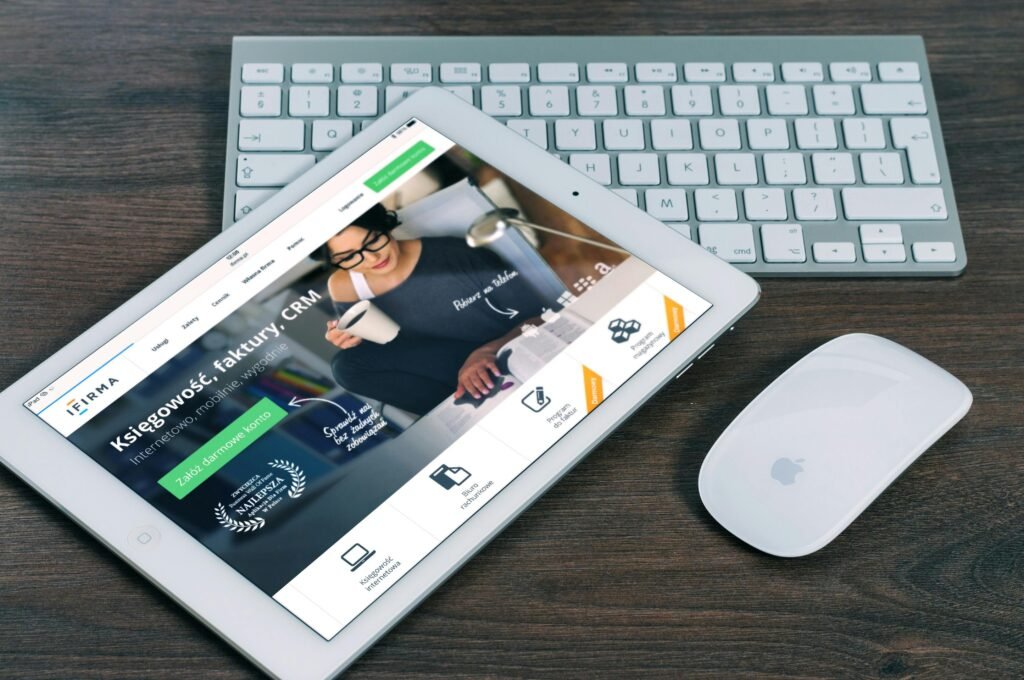
Technology has become an essential part of modern life. However, many people are beginning to notice the negative effects of excessive screen time and digital distractions.
Digital minimalism matters today because it helps people regain control of their time, attention, and mental well-being.
Here are some important reasons why digital minimalism is becoming more relevant than ever.
Technology Overload Is Increasing
The average person uses multiple digital platforms every day. Smartphones alone provide access to social media, email, messaging apps, games, streaming services, and countless other distractions.
Every notification competes for attention, making it difficult to focus on important tasks.
When people are constantly switching between apps and messages, their productivity decreases and stress levels increase.
Digital minimalism encourages individuals to limit unnecessary apps and notifications, creating a more focused and peaceful digital environment.
Social Media Can Consume Too Much Time
Social media platforms are designed to keep users engaged for as long as possible. Endless scrolling, notifications, and algorithm-driven content can easily turn a few minutes of browsing into hours of screen time.
Many people check their phones dozens of times per day without even realizing it.
Digital minimalism helps people become more aware of these habits and set boundaries around social media use.
Instead of constantly checking updates, digital minimalists focus on using social media intentionally or reducing it altogether.
Digital Clutter Affects Mental Clarity

Just like physical clutter in a home can create stress, digital clutter can overwhelm the mind.
Examples of digital clutter include:
- Thousands of unread emails
- Unused mobile apps
- Disorganized files and folders
- Excessive notifications
- Too many online subscriptions
When digital spaces are messy, it becomes harder to find important information and stay organized.
Digital minimalism encourages people to clean up their digital environments and keep only what they truly need.
Constant Connectivity Reduces Focus
Many people struggle to concentrate because they are constantly interrupted by notifications, messages, and alerts.
Even small distractions can break focus and reduce productivity.
Studies show that it can take several minutes to regain concentration after a distraction. When interruptions happen frequently, productivity drops significantly.
Digital minimalism helps people create distraction-free environments where they can focus deeply on important work.
Screen Time Impacts Mental Well-Being
Excessive screen time has been linked to stress, anxiety, and sleep problems. Spending too much time online can also reduce real-life social interaction and physical activity.
Digital minimalism encourages healthier technology habits by promoting:
- Reduced screen time
- More offline activities
- Better sleep habits
- More meaningful social interactions
By limiting unnecessary digital consumption, people often feel calmer and more balanced.
Key Principles of Digital Minimalism
Digital minimalism is based on a few simple but powerful principles.
1. Intentional Technology Use
Digital minimalists use technology for specific purposes rather than out of habit or boredom.
For example, instead of scrolling social media without thinking, they might use the internet to learn a new skill or communicate with friends.
Reduce Digital Noise
Digital noise refers to unnecessary information that distracts or overwhelms us.
Examples include:
- Constant notifications
- Promotional emails
- Unimportant social media updates
Digital minimalists remove these distractions to create a calmer digital experience.
Focus on High-Value Tools
Not all technology is harmful. Many digital tools can improve productivity, organization, and communication.
The goal of digital minimalism is to keep the tools that truly help you and remove the ones that waste your time.
Practical Steps to Start Digital Minimalism
If you want to simplify your digital life, you can start with a few simple actions.
1. Declutter Your Smartphone
Delete apps that you rarely use. Many people have dozens of apps installed but regularly use only a few.
Keeping only essential apps reduces distractions and makes your phone easier to navigate.
2. Turn Off Non-Essential Notifications
Notifications constantly interrupt focus. Disable alerts for apps that do not require immediate attention.
This small change can significantly improve productivity and reduce stress.
3. Clean Your Email Inbox
Unsubscribe from newsletters or promotional emails that you never read. Organize important messages into folders so they are easier to find.
A clean inbox makes digital communication less overwhelming.
4. Limit Social Media Time
Consider setting daily limits for social media usage or scheduling specific times to check these platforms.
This helps prevent endless scrolling and encourages more intentional use.
5. Organize Digital Files
Create simple folder systems on your computer or cloud storage. Delete duplicate or unnecessary files to keep your digital workspace clean.
Benefits of Digital Minimalism
When people simplify their digital lives, they often experience several positive changes.
Better Focus
With fewer distractions, it becomes easier to concentrate on important work or personal goals.
Improved Productivity
By reducing digital clutter, tasks can be completed faster and more efficiently.
Less Stress
A calmer digital environment reduces mental overload and creates a sense of control.
More Free Time
Spending less time on unnecessary digital activities creates more time for hobbies, relationships, and relaxation.
Stronger Real-Life Connections
Digital minimalism encourages people to spend more time interacting with others in meaningful ways.
Digital Minimalism and Simple Living
Digital minimalism is closely connected to the idea of simple living. Both focus on removing excess and prioritizing what truly matters.
Just as minimalists declutter their homes and possessions, digital minimalists simplify their online environments.
For readers of LessBrandly, digital minimalism is a natural extension of the minimalist lifestyle. It allows you to enjoy the benefits of technology without becoming overwhelmed by it.
Final Thoughts
Technology is an important part of modern life, but it should support our goals rather than control our attention.
Digital minimalism offers a practical way to create healthier technology habits by reducing digital clutter and focusing on meaningful use.
By simplifying your digital environment, you can gain more control over your time, improve your focus, and create a calmer lifestyle.
In a world filled with constant digital noise, choosing digital minimalism can help you reconnect with what truly matters.
Sometimes, less technology leads to more freedom, clarity, and peace of mind.