How to Create a Sustainable and Eco-Friendly Home
 Sophia David
Creating a sustainable and eco-friendly home has become increasingly important as people become more aware of environmental challenges such as climate change, pollution, and resource depletion. An eco-friendly home focuses on reducing environmental impact while promoting healthier living conditions for you and your family.
The good news is that building a sustainable home does not always require expensive renovations or drastic lifestyle changes. Small improvements and mindful choices can significantly reduce your carbon footprint, lower utility bills, and create a healthier living environment.
At LessBrandly, we believe that everyone can contribute to a greener planet by making simple, sustainable changes at home. In this guide, we will explore practical ways to create a sustainable and eco-friendly home that benefits both the environment and your daily life.
Understanding a Sustainable and Eco-Friendly Home
A sustainable home is designed to minimize environmental impact by using resources efficiently and reducing waste. It focuses on energy efficiency, water conservation, sustainable materials, and environmentally friendly habits.
An eco-friendly home typically aims to:
- Reduce energy consumption
- Conserve water
- Minimize waste
- Use environmentally friendly products
- Improve indoor air quality
- Support sustainable living practices
By implementing these principles, homeowners can create a living space that is both environmentally responsible and comfortable.
Improve Energy Efficiency

Energy consumption is one of the largest contributors to household carbon emissions. Improving energy efficiency is one of the most effective ways to make your home more sustainable.
Here are some simple ways to reduce energy use:
Use Energy-Efficient Lighting
Replace traditional incandescent bulbs with LED or energy-saving bulbs. LED lights consume significantly less electricity and last much longer.
Unplug Unused Electronics
Many electronic devices continue to draw power even when turned off. Unplug chargers, appliances, and electronics when they are not in use to prevent unnecessary energy consumption.
Upgrade to Energy-Efficient Appliances
When replacing appliances, choose models that are energy efficient. Modern appliances are designed to use less electricity while maintaining high performance.
Use Natural Light
Open curtains and blinds during the day to maximize natural light. This reduces the need for artificial lighting and saves energy.
Use Sustainable Building Materials
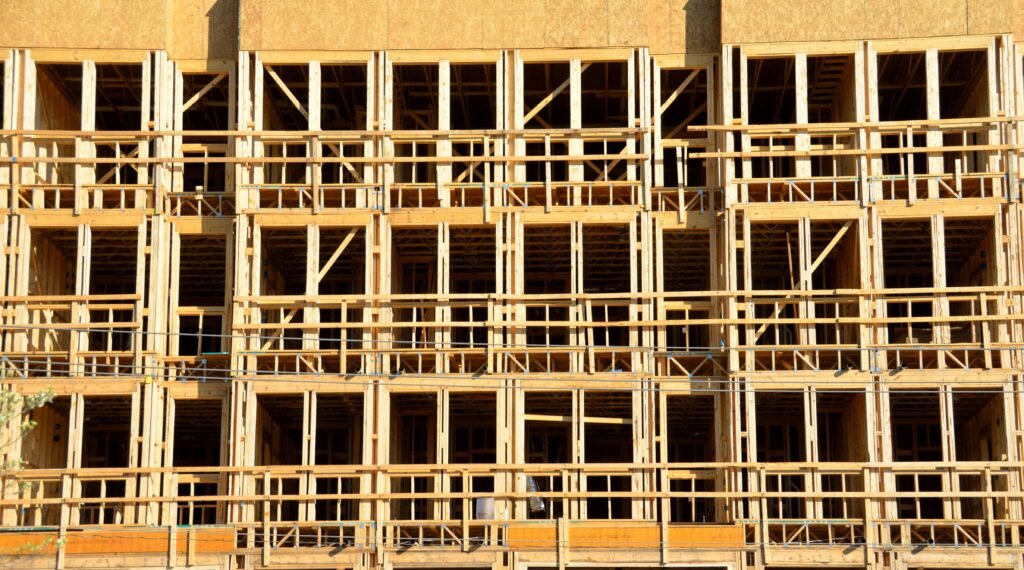
If you are renovating or building a new home, selecting sustainable building materials can significantly reduce environmental impact.
Eco-friendly materials include:
- Bamboo flooring
- Recycled wood
- Reclaimed furniture
- Natural stone
- Recycled metal
- Low-impact insulation materials
These materials are often more durable and environmentally responsible compared to traditional construction materials.
Choosing sustainable materials helps reduce deforestation, pollution, and waste generated by construction activities.
Conserve Water
Water conservation is another key element of an eco-friendly home. Freshwater resources are limited, and reducing water waste helps protect this essential resource.
You can conserve water by adopting the following practices:
Install Water-Efficient Fixtures
Low-flow showerheads and faucets reduce water consumption without sacrificing performance.
Fix Leaks Immediately
Even small leaks can waste large amounts of water over time. Regularly check pipes, faucets, and toilets for leaks.
Use Water-Efficient Appliances
Modern washing machines and dishwashers use significantly less water compared to older models.
Collect Rainwater
Rainwater collection systems allow you to store rainwater for gardening and outdoor cleaning tasks.
These simple changes can reduce water usage while lowering your utility bills.
Reduce Household Waste

Waste management plays a major role in sustainable living. Reducing the amount of waste produced at home helps protect the environment and conserve resources.
Here are some effective ways to reduce household waste:
Follow the Three R’s
Reduce: Avoid buying unnecessary products and choose items with minimal packaging.
Reuse: Use reusable containers, bags, and bottles instead of disposable products.
Recycle: Separate recyclable materials such as paper, plastic, glass, and metal.
Compost Organic Waste
Food scraps, vegetable peels, and garden waste can be composted instead of thrown away. Compost improves soil quality and reduces landfill waste.
Reducing waste not only benefits the environment but also encourages more mindful consumption habits.
Improve Indoor Air Quality
An eco-friendly home should also promote a healthy indoor environment. Many conventional household products contain chemicals that can negatively affect indoor air quality.
To create a healthier living space:
- Use natural cleaning products instead of harsh chemicals
- Add indoor plants to improve air quality
- Ensure proper ventilation throughout the home
- Avoid synthetic air fresheners
- Choose low-VOC paints and materials
Improving indoor air quality can reduce allergies, respiratory problems, and overall health risks.
Choose Eco-Friendly Furniture and Decor

Furniture and home decor can also influence the sustainability of your home.
When selecting furniture, consider:
- Recycled or reclaimed materials
- Durable and long-lasting designs
- Non-toxic finishes and paints
- Locally produced furniture
Buying high-quality furniture that lasts longer reduces waste and minimizes environmental impact.
You can also consider buying second-hand furniture or repurposing old items to give them a new life.
Create a Green Outdoor Space

If you have a garden or outdoor space, you can make it more eco-friendly with sustainable landscaping practices.
Some ideas include:
Plant Native Plants
Native plants require less water and maintenance because they are adapted to the local climate.
Grow Your Own Food
Growing vegetables, herbs, and fruits at home reduces reliance on store-bought produce and lowers transportation emissions.
Use Organic Gardening Methods
Avoid chemical fertilizers and pesticides. Organic gardening protects soil health and promotes biodiversity.
Add Trees and Greenery
Trees provide shade, improve air quality, and help regulate temperature around your home.
A sustainable outdoor space not only benefits the environment but also creates a relaxing and enjoyable living environment
Reduce Plastic Usage
Plastic pollution is one of the biggest environmental challenges worldwide. Reducing plastic use at home is an important step toward sustainability.
You can reduce plastic usage by:
- Using reusable shopping bags
- Replacing plastic bottles with glass or stainless steel bottles
- Storing food in reusable containers
- Avoiding single-use plastic utensils and straws
- Buying products with eco-friendly packaging
Small adjustments in daily habits can significantly reduce plastic waste over time.

If possible, consider incorporating renewable energy into your home.
Solar panels are one of the most popular renewable energy solutions for homeowners. Solar energy can reduce electricity bills and decrease dependence on fossil fuels.
Other renewable energy options may include:
- Solar water heaters
- Wind energy systems
- Energy-efficient heating and cooling systems
Although some renewable energy systems require an initial investment, they often provide long-term savings and environmental benefits.
Practice Sustainable Daily Habits
Creating a sustainable home is not only about physical improvements but also about daily habits.
Here are some simple sustainable habits to practice:
- Turn off lights when leaving a room
- Take shorter showers
- Use reusable products instead of disposable ones
- Wash clothes in cold water when possible
- Plan meals to reduce food waste
These habits may seem small, but they contribute significantly to environmental conservation over time.
Benefits of an Eco-Friendly Home
Building a sustainable home offers many long-term benefits beyond environmental protection.
Lower Utility Bills
Energy-efficient appliances, water-saving fixtures, and renewable energy sources can significantly reduce monthly expenses.
Healthier Living Environment
Eco-friendly homes improve air quality and reduce exposure to harmful chemicals.
Increased Property Value
Sustainable homes are becoming more desirable in the real estate market.
Environmental Protection
Reducing energy consumption, waste, and pollution helps preserve natural resources for future generations.
Final Thoughts
Creating a sustainable and eco-friendly home is a journey rather than a one-time project. Every small step toward sustainability contributes to a healthier planet and a better quality of life.
By improving energy efficiency, conserving water, reducing waste, choosing sustainable materials, and adopting mindful habits, you can transform your home into an environmentally responsible space.
At LessBrandly, we believe that sustainable living starts with simple, everyday choices. When individuals take small steps toward eco-friendly living, the combined impact can lead to meaningful environmental change.
Start with one improvement today, and gradually build a home that supports both your well-being and the health of our planet.